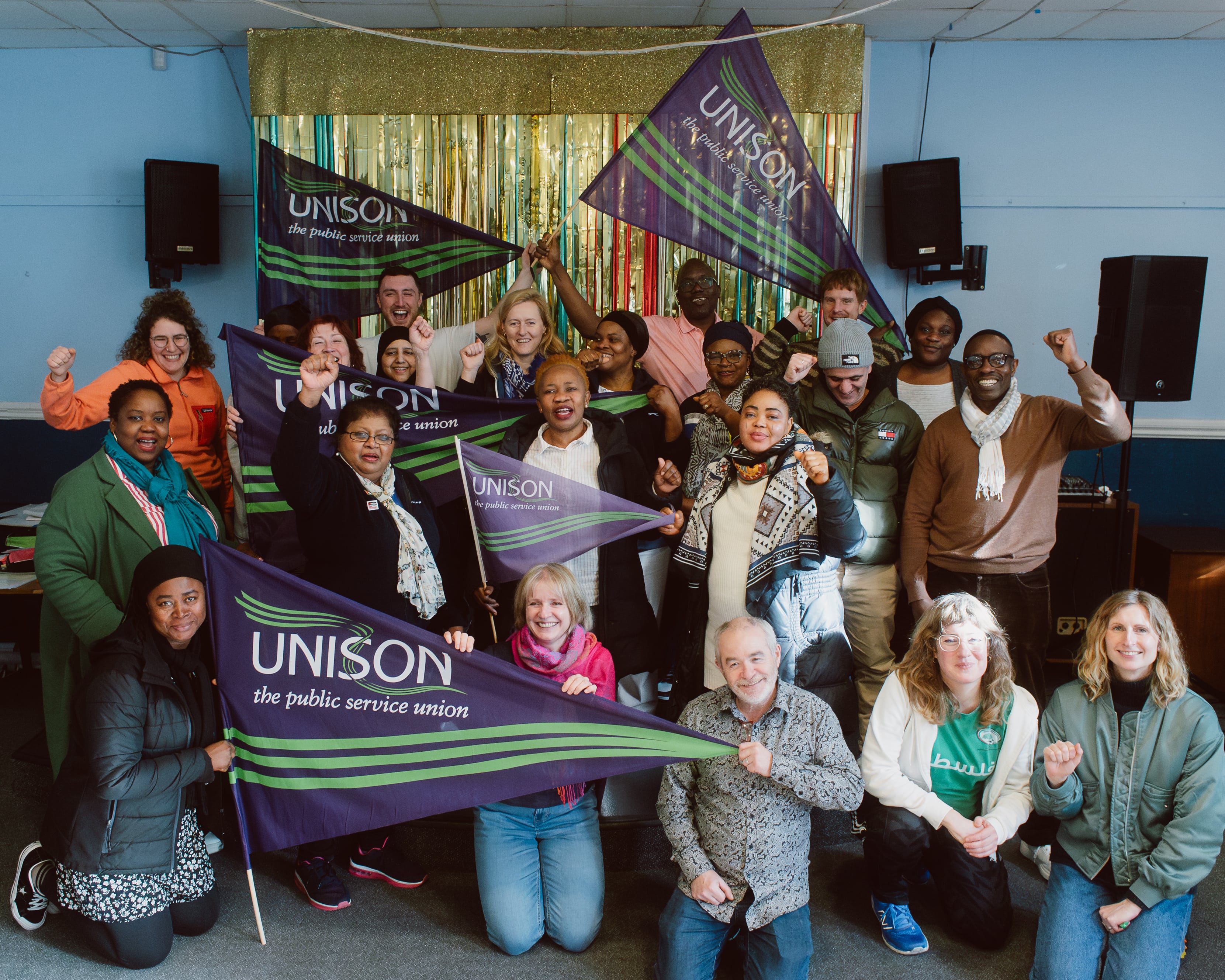

Worker’s Power: Organising to win
A 2-3 day course for trade union members, bringing together working class history, political economy, and practical organising skills. Participants leave ready to win in their workplaces.
.jpg)

Who its for:

For all trade union members, ideal for those new to the movement

Suitable for all levels of education and english as a second language

Designed for those looking to get more active in their union
What participants get:

A deeper understanding of how our economic system works

Myth-busting knowledge to take on the far right and neoliberalism

Skills and confidence to go back into the workplace and organise

About the course
Learn how to fight and win for working people
To understand the present, we need to understand our past. To win, we need to organise. This course applies both these lessons, and prepares union members to start leading the fight for working people’s dignity.
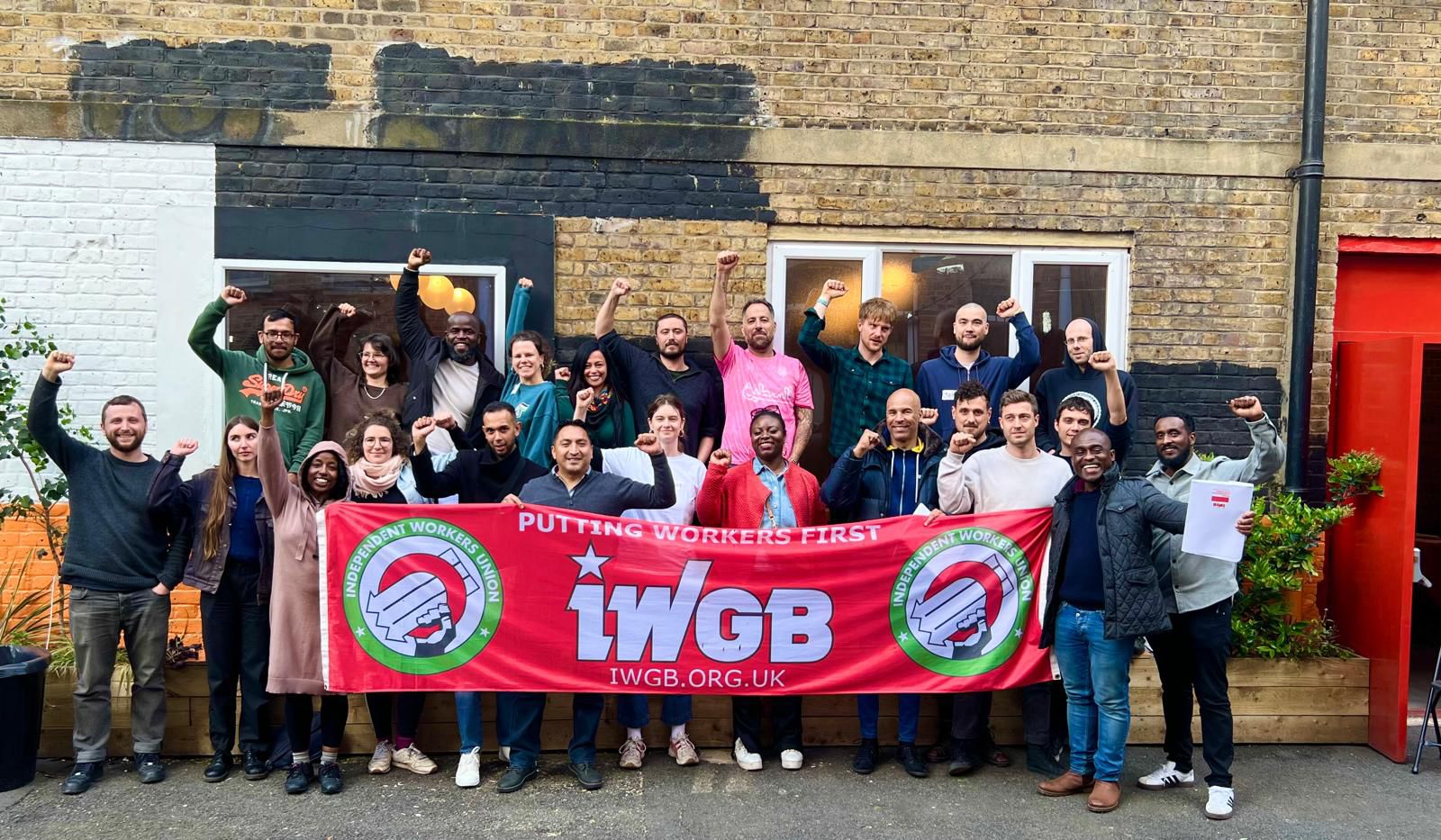
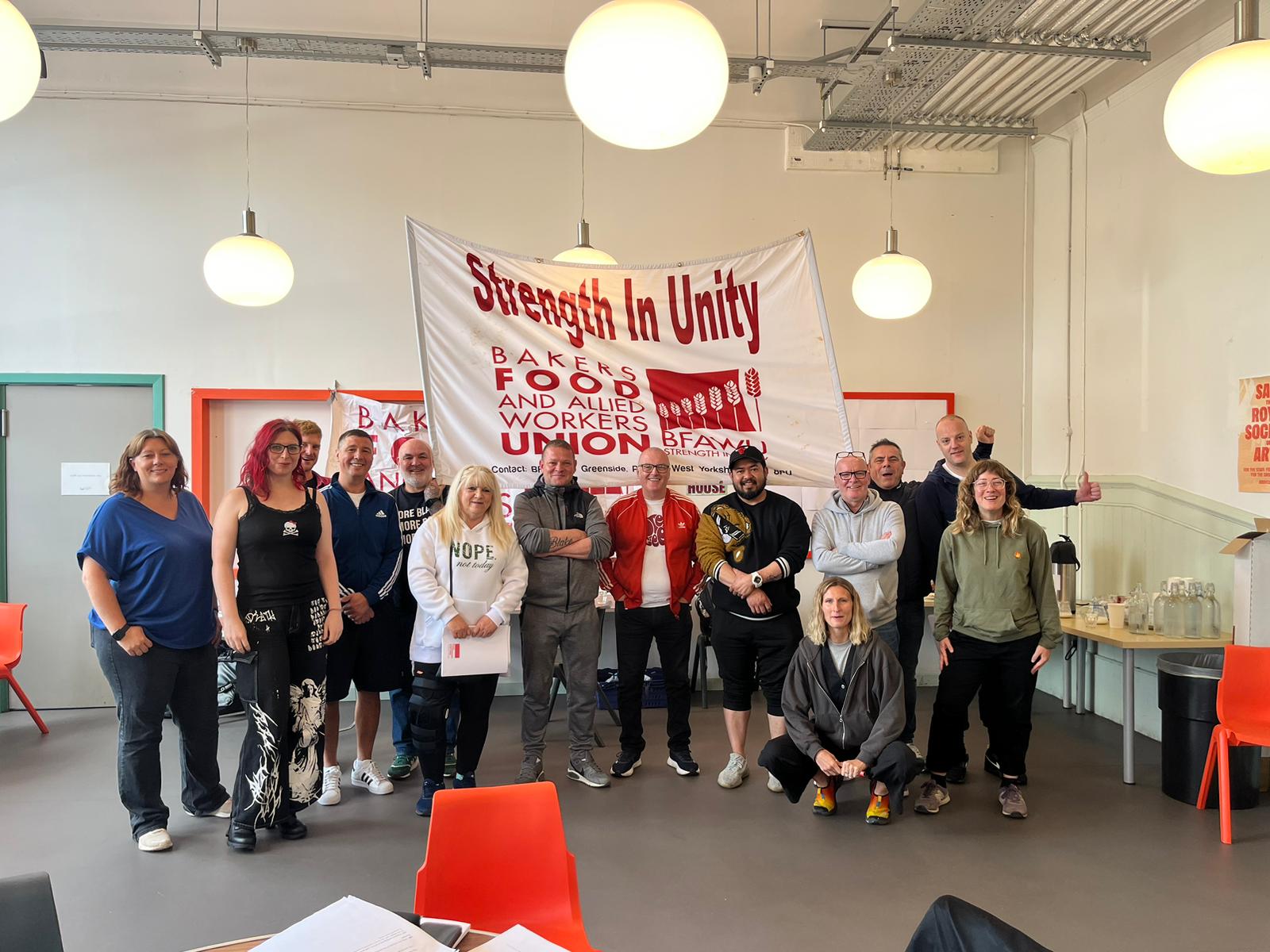
Delivered by experienced trade unionists and experts in working class history and political economy, the course has been delivered to hundreds of participants across five trade unions. Participants leave the course convinced of the power of the union movement to improve lives and change society.
Used by:


Course content
Our course combines the story of the working class, with essential organising skills and strategy

Our course roots learning in participants' experiences - from their workplaces to the wider economy. We start with the personal stories and what shaped them, aiming to build empathy, understanding, and solidarity across every session.
The 1% benefit when we view the economy as something that we have no control over. By realizing that the economy is actually made up of all of us, we come to understand that our economic system is ultimately a question of power.
Discover how the working class built power and transformed Britain. Across 150 years of struggle, follow the union movement’s journey from the Poor Law to the NHS. At the same time we learn the story of the British Empire through the eyes of workers in Britain and its colonies.
Uncover the lies the ruling class used to retake power. We examine why Thatcher targeted unions and analyse how the 1% have exploited crises like the 2008 financial crash, inflation, and the pandemic to dispossess us.
We link political and economic trends directly to the participants' sector, equipping them with the tools to understand why changes occur. Additionally, a union representative will introduce the union’s history, victories, and current campaigns.
Participants discover the role of organisers in building union power. We focus on practical skill development, specifically the 'organising conversation’; exploring its key elements, and practice the technique with feedback from trainers and peers.
The course concludes with participants creating self-directed activist plans, ranging from recruiting members to starting workplace campaigns. We support these goals with online coaching six weeks after the course to track progress and collectively troubleshoot challenges.
.jpg)
.jpg)
Tried and tested
Developing the next generation of leaders in our movement
Our course is designed to increase union membership, boost collective action and empower participants to take on leadership roles. By giving members the skills, knowledge and the confidence to apply them, our course is proven to help your union and our movement to succeed.
Results from 16 courses with 5 unions in 2 years:
1700+
organising conversations
700+
new members recruited
1 in 3
participants became first time reps
26
new campaigns
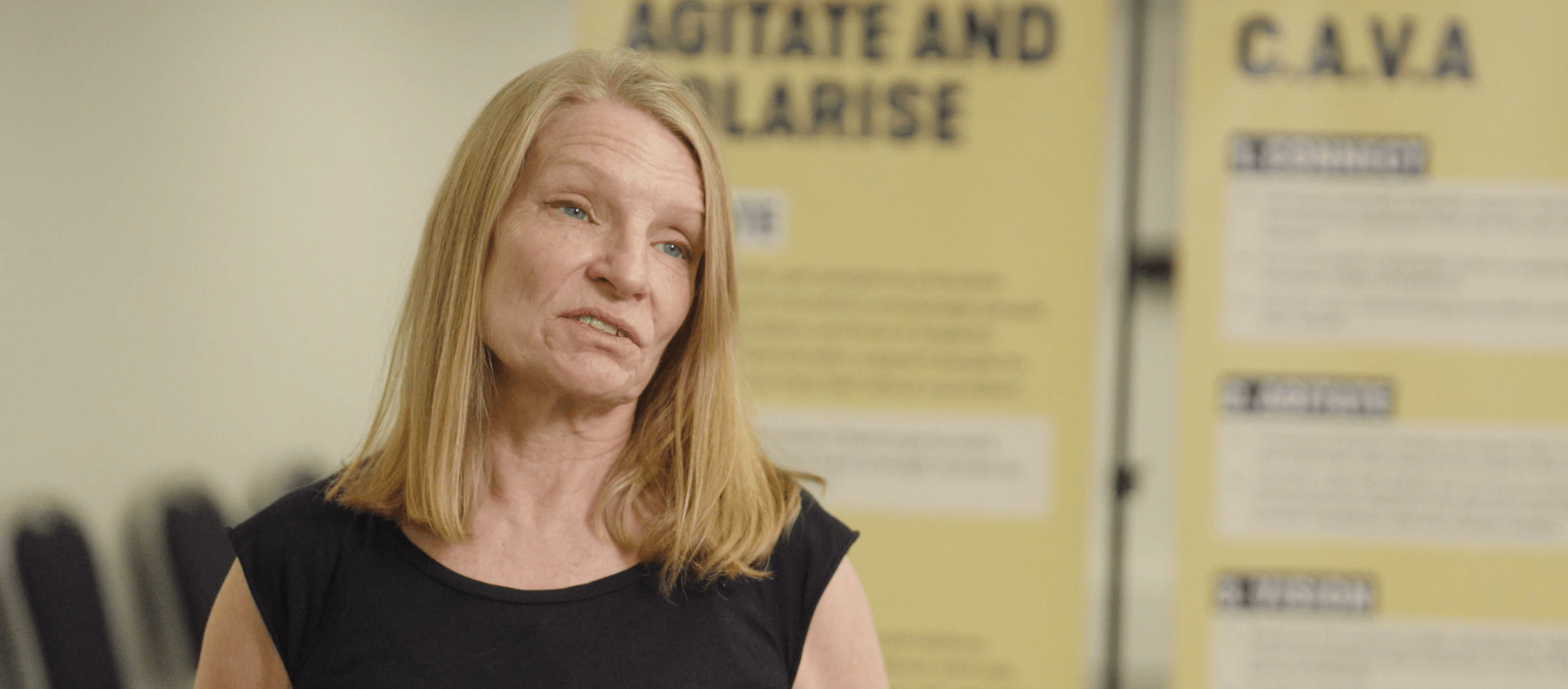
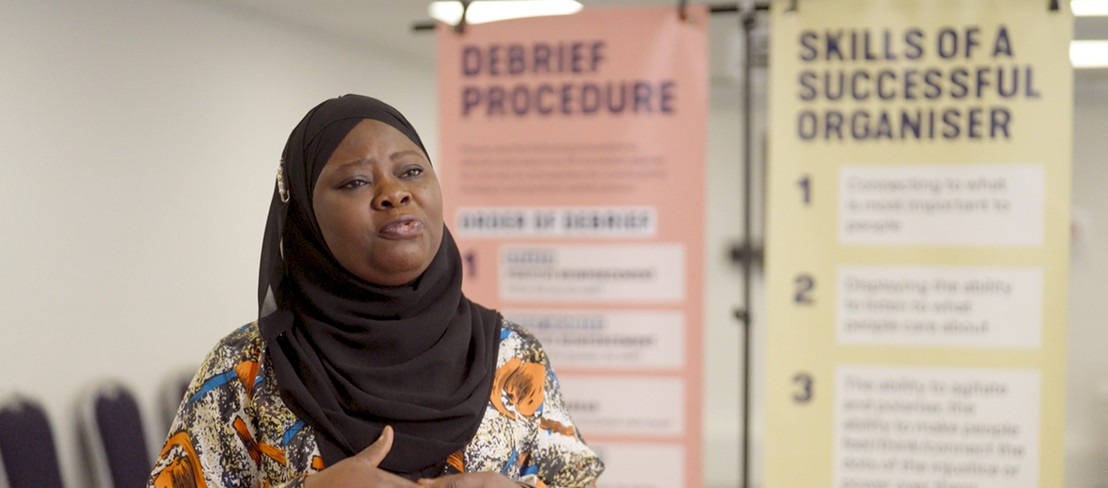
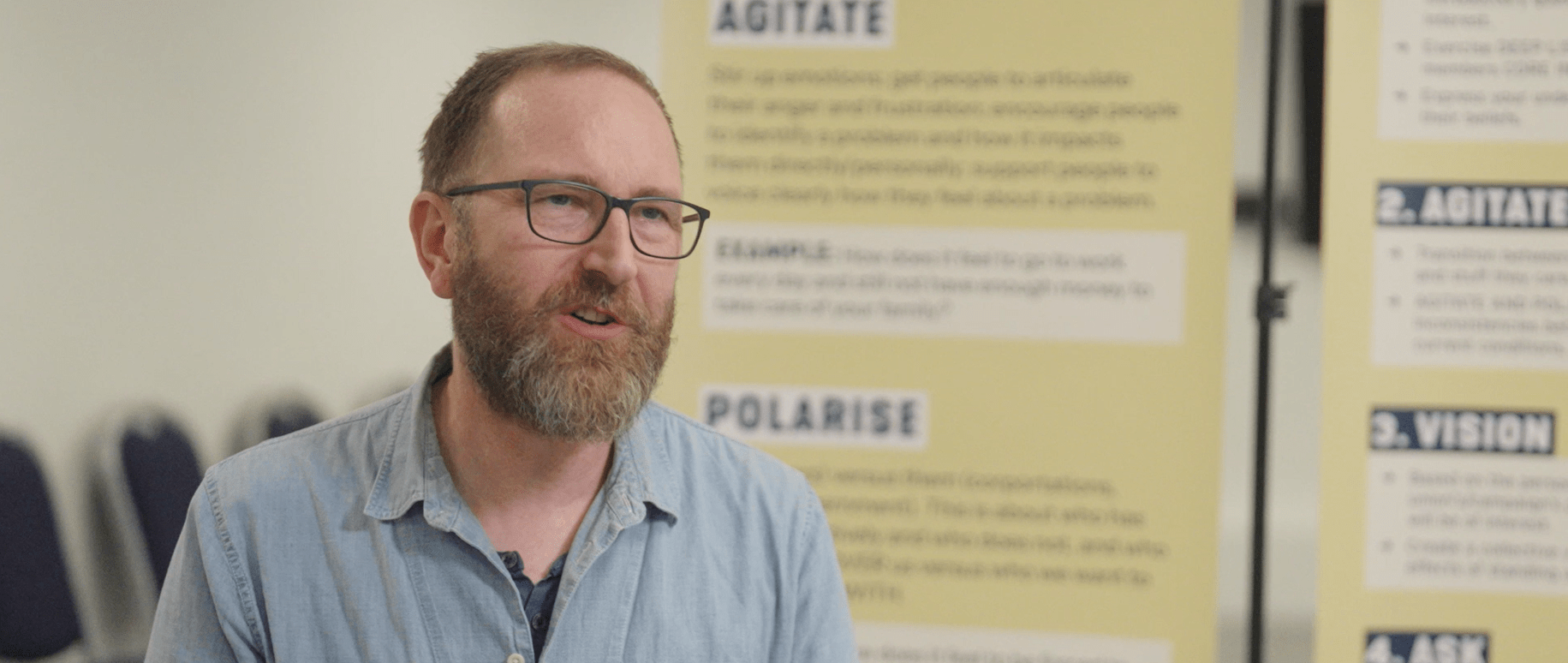
Hear from workers who've taken part









News & events
.png)
.jpg)
Frequently Asked Questions
The course is ideal for members relatively new to the union movement, or their trade union. No knowledge of the union movement, labour movement history, or organising is assumed. However, all of our courses are attended by a mixed cohort, and the course can be equally valuable to experienced trade unionists, serving as a reminder of why they do what they do, and an opportunity to share their knowledge with newer members of the movement.
Each course is hosted by a specific union and only members of that union can take part. Sometimes there are also more specific criteria, like the course only being open to members from a specific region or a specific sector. See our "upcoming events" section for upcoming courses.
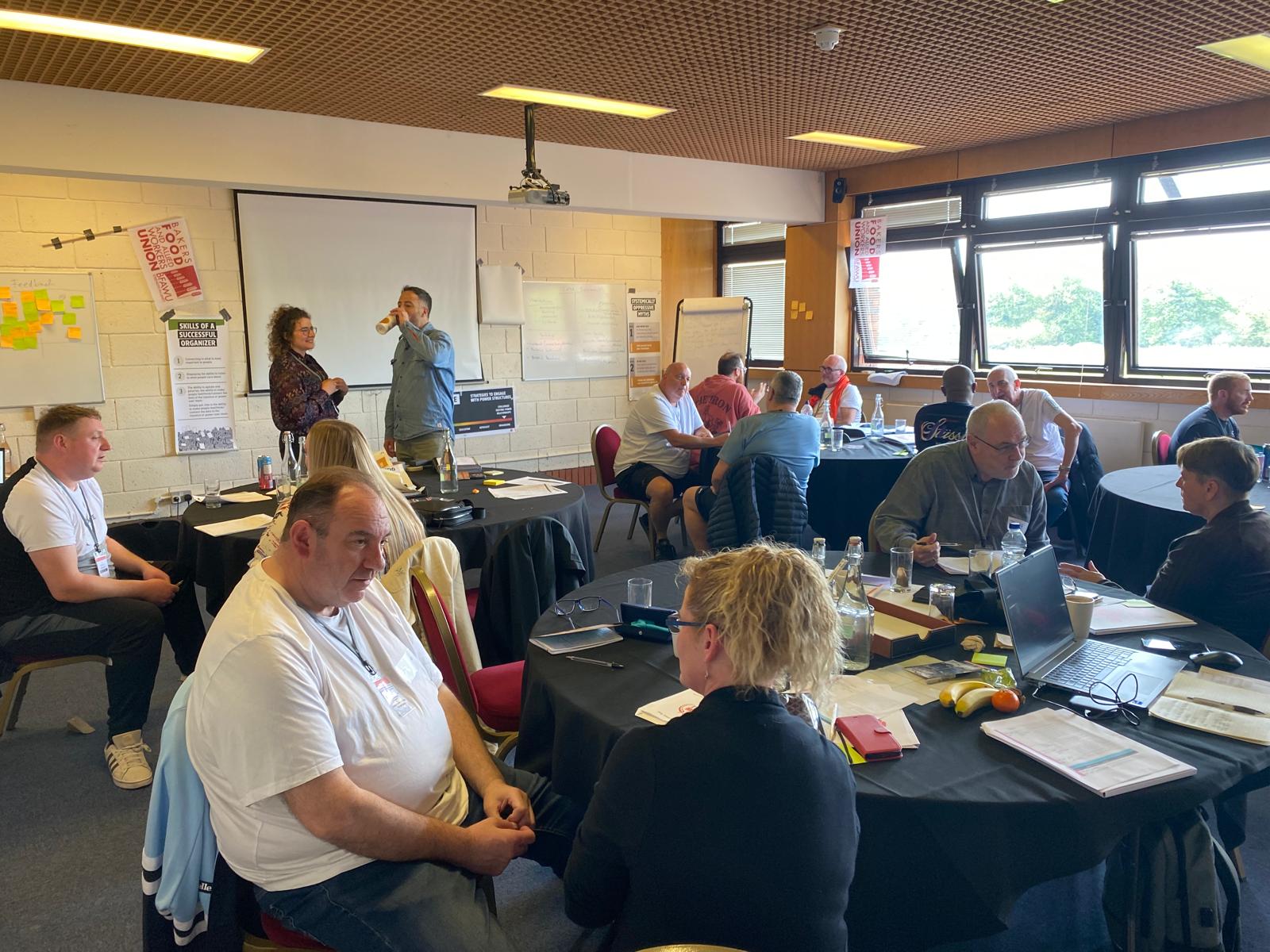
The course is 2-3 days long, and is usually residential as we feel this creates the best learning environment. It draws on a variety of teaching methods and caters for a range of learning styles, to ensure that the sessions are as widely accessible as possible. These include: group discussions, interactive lectures, videos/films, individual and group exercises, and political processing discussions. Each course is delivered by three experienced trainers.
Go to news and events to see all our upcoming courses and how to sign up for them.
If none of the listed courses are suitable for you and you are interested in putting on a course with your union please get in touch.
The course is partially subsidised by the Rosa Luxemburg Stiftung. The costs to the union are: logistics (travel for participants, venue, accommodation if needed, catering), which will vary depending on whether, for example, the union has access to a venue. In addition, we ask for a contribution to the Centre for Popular Education, to help us support the cost of trainers for the course.
The course is taught by experts in union organising and political economy, with a wealth of experience and wisdom drawn from years spent in our movement. The trainers include skilled union organisers, who between them have decades of experience organising workers in various sectors, and for a variety of trade unions. In addition the political economy component of the course is taught by trainers with extensive experience providing accessible, engaging and agitational education about economics and working class history for activists and trade union members.
The Centre for Popular Education is a project of the Rosa Luxemburg Stiftung (RLS) London office. RLS is a global democratic socialist political foundation based in Germany with offices all over the world. The foundation has a wealth of experience delivering political education, including the online Organising for Power training programme for trade unionists, founded by Jane McAlevey.
The course is based on a political education programme developed by the Communication Workers of America Union (CWA), the largest communication workers union in the world. To create Organising to Win, we worked with Rafael Navar, who developed the course during his time as Political Director of the CWA. The US-version of the course was, and continues to be, delivered to thousands of CWA members with impressive results. Working with Rafa, we adapted the course for the British context. Rafa continues to support the project as an advisor, and occasionally teaches on courses when he is in Europe.
.jpg)